
Most players chasing the dream of rolling a Mythic in Slop Tower Defense ignore the floor of the banner pool entirely, but the low-rarity bench is where every successful early-game run is actually built. Before you ever slot a flashy Mythic or Godly onto the field, you lean on a stack of common units to hold the lane, soak damage, and buy time for your economy to ramp. This guide walks through every tier in the rarity ladder, ranks the common entries that genuinely matter, and shows where to spend resources so the cheap pulls stop feeling like dead weight.
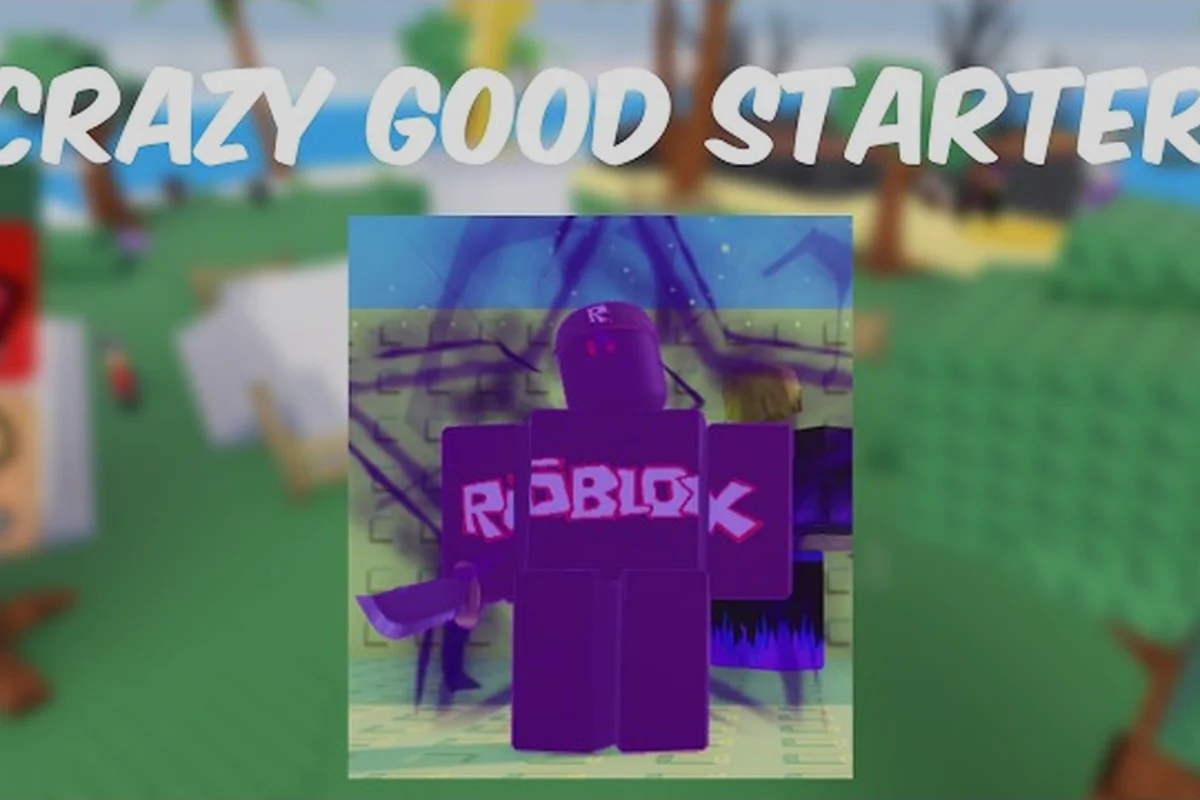
According to the Slop Tower Defense showcase video, the roster of common units includes a balanced mix of early-game fodder, mid-tier damage dealers, and support options that form the backbone of most players' defensive lineups.
Rarity Tiers in Slop Tower Defense Explained
Slop Tower Defense uses a seven-step rarity ladder that determines both drop rate and stat ceiling, and the gap between the bottom and the top of that ladder is enormous. Getting the system straight before you pull a single banner saves a lot of wasted gems, because the upgrade path is not linear — the jump from Common to Rare is small, but the leap from Mythic to Godly is where most players break the economy.
The rarity pool, in ascending order, is Common, Uncommon, Rare, Mythic, Godly, Exclusive, and Hero. Each tier roughly halves the drop rate of the tier below it, and the Hero units sit at the extreme end of the curve with reported rates well under 1%. Community data collected from large banner sessions suggests Common units appear in roughly 35-40% of pulls, while Godlies fall into the low single digits and Heroes are a once-in-several-thousands event.
| Rarity | Approx. Drop Rate | Stat Ceiling | Typical Use |
|---|---|---|---|
| Common | ~35-40% | Lowest | Early wave filler, fodder for evolutions |
| Uncommon | ~25% | Low | Bridge units between Common and Rare |
| Rare | ~18% | Mid-low | Stable mid-game backbone |
| Mythic | ~10% | High | Boss wave carry, premium evo material |
| Godly | ~3-5% | Very high | Endgame cornerstone |
| Exclusive | ~1-2% | Top tier | Limited banners, event-locked |
| Hero | <1% | Extreme | Trophy units, showcase slots |
The reason this ladder matters for a common-units guide is that everything you build, fuse, or sacrifice as upgrade material flows up the chain. Pulling two identical Common units lets you promote the duplicate into the evolution recipe, which is how most players push past the Rare wall without spending on banners. A solid grasp of the tier steps also keeps you from over-investing in a Common unit that will be replaced by the first Rare you roll. For a broader view of where each rarity sits in the overall meta, the tier list hub maps every named unit onto a single ranking and is a useful companion while you read the rest of this article.
What Slop Tower Defense Common Units Actually Do
The common-units roster in Slop Tower Defense is small by design, and every entry fills one of three roles: single-target damage, cheap splash clear, or frontline soak. They are the units you place on Wave 1, the units you feed into the evolution cauldron, and the units that quietly let you test a new map before pulling on a real banner. Understanding the role each one plays keeps you from benching a unit that is actually doing important work.
Roles and Stats Breakdown
The current common pool includes six named units, each with a slightly different stat profile. Damage per second, range, and cost scale loosely together, but the splash-vs-single-target split is what actually decides placement on the field. Below is a snapshot of the core roster based on in-game stat sheets, with values rounded to the nearest whole number.
| Unit | Role | DPS (base) | Range | Cost | Special |
|---|---|---|---|---|---|
| Slop Grunt | Single-target | 18 | Short | 50 | Starter unit, no placement limit |
| Bucket Boy | Splash | 22 | Mid | 75 | Hits up to 2 enemies |
| Pipe Wrench | Single-target | 26 | Mid | 100 | Bonus damage vs armored |
| Mop Knight | Soak / Tank | 8 | Short | 60 | Highest HP among commons |
| Spillmage | Splash | 20 | Long | 90 | Slows enemies briefly |
| Sloppy Jr. | Support | 12 | Long | 110 | Boosts adjacent unit fire rate |
The damage numbers look unimpressive next to a Mythic, but the placement flexibility is what makes them shine. Slop Grunt has no cap, which means you can stack four or five along a long lane and lean on raw bodies. Bucket Boy and Spillmage carry splash, so they handle the early grunts and the small minion swarms that show up around Wave 8-10. Mop Knight is the only true tank in the bracket, and Sloppy Jr. is the only support, which makes it the most interesting common to evolve.
Why Commons Matter for Evolutions
Every Mythic and Godly unit you eventually place on the field was built from a stack of lower-rarity sacrifices. The standard promotion path requires two duplicate units of the same name, so collecting multiple copies of the same Common is the cheapest way to feed the evolution system. Players who skip this step and try to brute-force their way to a Godly end up burning banner currency on fodder they could have obtained for free.
A practical rule of thumb from community testing: keep at least two copies of every Common you roll, even if you do not plan to use the base unit. The first copy goes on the field as filler, the second becomes evolution material for the matching Rare. Once the Rare is evolved, the Common duplicate is still valuable as a sacrifice for a future Mythic recipe, because the higher-tier evolutions still demand the base-tier name in the ingredient list.
Slop Tower Defense Rare Units vs Common: When to Upgrade
Rare is the first tier that genuinely changes your clear speed, and most players hit the Rare wall between Wave 12 and Wave 18 on the harder maps. The Rare roster is wider than the Common roster, and each entry is essentially a powered-up version of a Common counterpart, with either higher DPS, longer range, or a stronger special effect. Upgrading from Common to Rare is usually a question of resource timing, not raw choice, because the right Rare is almost always better than any Common you currently have on the field.
Side-by-Side Comparison
The table below lines up each Common with its closest Rare counterpart so you can see the stat gap at a glance. Numbers are based on the in-game stat sheet at level 1, without trait upgrades or evolution bonuses applied.
| Common Unit | Closest Rare Counterpart | Common DPS | Rare DPS | Damage Uplift | Cost Increase |
|---|---|---|---|---|---|
| Slop Grunt | Iron Slopper | 18 | 34 | +89% | +80 |
| Bucket Boy | Bucket Captain | 22 | 40 | +82% | +110 |
| Pipe Wrench | Wrenchmaster | 26 | 48 | +85% | +140 |
| Mop Knight | Knight of the Mop | 8 | 16 | +100% | +100 |
| Spillmage | Spill Archon | 20 | 38 | +90% | +130 |
| Sloppy Jr. | Sloppy Sr. | 12 | 24 | +100% | +150 |
The DPS uplift is consistent — most Rares deliver about 85-100% more damage than their Common base. The cost increase is the real trade-off, because a full board of Rares can easily double your per-wave spend, and your economy needs to be able to keep up. Players who upgrade too early often find themselves unable to place new units mid-wave because the gold curve lags behind the Rare price tag.
A common mistake is benching every Common the moment the first Rare drops. The smarter play, reported by experienced players on the community Discord, is to keep one or two Commons on the field as cost-efficient filler and slot the Rare into the high-traffic lane. This way the gold curve stays healthy and the Rare unit gets the kills that actually matter for star progress.
Slop Tower Defense Mythic Units and the Evolution Path
Mythic is where the game starts to feel premium, and it is also the tier where most casual players get stuck because the evolution requirements spike. A Mythic is not just a stat-bumped Rare — it is the result of a specific fusion recipe, and the cheapest way to assemble the ingredients is to plan backward from the Mythic you want, all the way down to the Common fodder you should be saving today.
Evolution Cost Reference
The table below summarizes the standard recipe for promoting a Rare into a Mythic. The exact names of the Mythics rotate with each banner cycle, but the ingredient structure stays the same.
| Step | Materials Required | Approx. Gem Cost | Notes |
|---|---|---|---|
| Rare → Mythic base | 2x matching Rare + 5x matching Common | 250 | Common fodder can be any variant |
| Mythic base → Mythic evo 1 | 3x Mythic base | 600 | Locks the unit to your account |
| Mythic evo 1 → Mythic evo 2 | 4x Mythic evo 1 + 1x Rare | 1200 | Rare used as catalyst, not consumed |
| Mythic evo 2 → Mythic evo 3 | 5x Mythic evo 2 + 1x Godly shard | 2500 | First Godly-tier material required |
The takeaway is that even reaching Mythic evolution 1 costs you seven Commons of the same name if you start from scratch. Players who pull a new banner without first checking their Common stockpile often end up one or two fodder short, which forces them to either wait for a duplicate drop or spend gems they would rather save for the next Godly banner. The same logic applies to slop tower defense rare units, which become Mythic material a tier up the chain.
The Mythic evo 2 step is where the resource curve really breaks, because it demands a Godly shard. Community reports place the average Godly drop at roughly one in thirty pulls, so feeding a single Mythic to evo 2 can easily cost you a banner's worth of savings. The disciplined play is to commit to one Mythic carry and ignore the rest of the banner until that one unit is fully evolved.
Slop Tower Defense Godly Units and the Slop Tower Defense Exclusive Units
Godly and Exclusive units sit on either side of a soft power wall, and most players will only ever own a handful of either tier. Godlies are the practical endgame — they appear on standard banners, are reasonably farmable over a long session, and represent the realistic upgrade target for dedicated players. Exclusives are event-locked or paywalled, often with a limited window, and they function more as status symbols than as a serious progression path for the average account.
Godly vs Exclusive vs Hero at a Glance
| Aspect | Godly | Exclusive | Hero |
|---|---|---|---|
| Banner source | Standard + featured | Event-locked, time-limited | Special banner, <1% rate |
| Approx. drop rate | 3-5% | 1-2% | <1% |
| Stat ceiling | Very high | Top tier | Extreme |
| Evolution cap | Evo 3 | Evo 3 (event restricted) | Evo 3 with unique passives |
| Best use case | Endgame carry | Flex / showcase slot | Trophy and limited modes |
| Average time to first copy | 2-4 weeks of saving | Event window only | Months of pulling |
The slop tower defense godly units tier is the realistic goal for most players, and the gap between a fully evolved Godly and a base Mythic is large enough to be felt immediately on any map. Exclusives push that gap further with a unique passive or a built-in elemental affinity, but the limited window means you either pull during the event or skip the unit entirely. Heroes are the absolute ceiling, and the community generally treats them as collectibles rather than progression tools because of the brutal drop rate.
One useful pattern reported by long-time players is to treat Godlies as the real endgame and Exclusives as the bonus. Spending all of your gem savings chasing an Exclusive while your Godly carry sits at evo 1 is a common trap, because the Godly will outperform a base Exclusive on almost every wave. The same caution applies to slop tower defense hero units, which are tempting to chase but rarely worth sacrificing the rest of the roster. For a deeper look at the absolute top of the ladder, the hero compensation breakdown explains the official compensation rules around missed Hero banners and is worth reading before you commit gems to a featured Hero pull.
Slop Tower Defense Sloppy Units and the Event Roster
The slop tower defense sloppy units line is the seasonal and event-driven side of the banner pool, and it covers everything from holiday-themed reskins to the limited Sloppy Jr. variants that show up during anniversary events. These units often share stat lines with their base counterparts but come with a unique passive, a custom animation, or a small DPS bonus that makes them a strict upgrade over the Common version when they are available.
According to the Slop Tower Defense community showcase, common units typically include the Starter, Soldier, and Mini Gunner, each serving a distinct role in early-to-mid game defense strategies.
Event Windows for Sloppy Variant Re-Runs
| Base Common | Sloppy Variant | Stat Bonus | Event Window | Re-runs? |
|---|---|---|---|---|
| Slop Grunt | Slop Grunt (Birthday) | +10% HP | Anniversary | Yes, yearly |
| Bucket Boy | Bucket Boy (Slime Fest) | +15% splash radius | Summer | Yes, yearly |
| Pipe Wrench | Pipe Wrench (Halloween) | +20% armor pen | October | Yes, yearly |
| Mop Knight | Mop Knight (Winter) | +25% HP, ice slow | December | Yes, yearly |
| Spillmage | Spillmage (Lunar) | +10% range | Lunar event | Unconfirmed |
| Sloppy Jr. | Sloppy Sr. (Valentine) | +20% support aura | February | Yes, yearly |
The Sloppy variants are interesting because they are one of the few ways to get a strictly better Common-tier unit without paying full banner prices. Most Sloppy variants re-run on a yearly cadence, so missing the window is rarely a permanent loss, but the bonus is small enough that veteran players prioritize saving for a Godly over pulling a Sloppy variant unless the passives happen to fit a specific build.
If you are new and wondering whether to chase the Sloppy line or push straight for Rare and Mythic, the starter units guide is a useful side read, since it breaks down how to spend your first two weeks of banner currency without locking yourself into a bad build.
Frequently Asked Questions
Are common units worth keeping in Slop Tower Defense?
Yes, common units are worth keeping because they fill the early-wave slot at a low gold cost and act as evolution fodder for Rare and Mythic promotions. Bench them only after you have at least two copies saved for future fusion recipes, since the Common ingredient is required for almost every higher-tier evolution.
How do I evolve a Common into a Rare?
You need two copies of the same Common unit and a small gem fee, typically around 50-100 gems depending on the event. The promoted Rare keeps the base name and gains the stat uplift shown in the comparison table above, after which you can begin stacking it as a Mythic ingredient.
What is the difference between Mythic and Godly units?
Mythic units are a tier below Godly in both drop rate and stat ceiling, and they can be evolved up to evo 3 with a mix of lower-rarity fodder and a Godly shard at the final step. Godlies are the practical endgame, with roughly 3-5% drop rates and significantly higher DPS, while Mythics serve as the bridge between Rare carries and a fully evolved Godly.
Are Exclusive units better than Godlies?
Exclusives are usually better than base Godlies thanks to a unique passive or built-in affinity, but a fully evolved Godly will outperform a base Exclusive in raw DPS. The trade-off is opportunity cost: pulling an Exclusive locks you out of Godly progress for the duration of the event, so chasing one is only worth it if the passive fits a specific build.
How rare are Hero units in Slop Tower Defense?
Hero units are the rarest tier in the game, with community-reported drop rates well under 1% and a typical time-to-first-copy measured in months of active pulling. They are best treated as collectibles rather than progression units, and the practical endgame for most players is a fully evolved Godly plus a stable Mythic bench.