
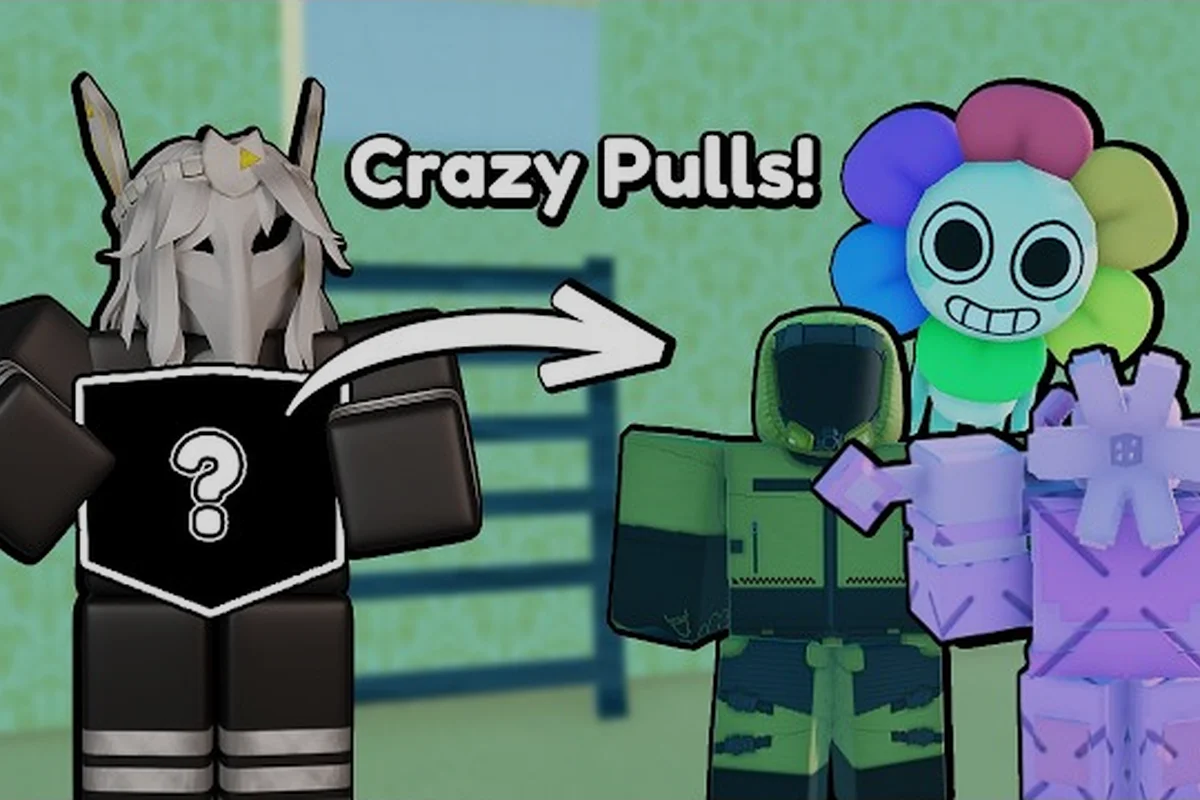
Loot boxes drive the entire endgame in Slop Tower Defense, and knowing which containers to prioritize can mean the difference between a stacked roster and months of slow grind. This loot boxes guide breaks down the premium crate lineup, the gacha rates behind every pull, and the smartest ways to spend hard-earned crate currency across a full season cycle.
How Loot Boxes Work in Slop Tower Defense
Every loot box in Slop Tower Defense operates on a tiered gacha system where you exchange crate currency for a randomized pull. The currency you use changes based on the crate family — standard chests spend Gems, seasonal loot boxes spend Sheckles, and the premium crate lineup spends a mix of both plus event-exclusive tokens. Each crate family draws from its own reward pool, so the Hazmat Chest never overlaps with the Space Crate, and neither shares odds with the seasonal Backrooms chests.
The most important mechanic to understand is that loot boxes are not pure RNG. Every chest family runs a hidden Pity Counter that guarantees a rare drop after a fixed number of opens. For the premium crate lineup, the pity threshold is 30 pulls for a guaranteed Mythic shard and 60 pulls for a guaranteed Godly-tier unit. Standard chests run shorter pity windows — 15 pulls for a Rare and 30 for a Mythic.
Crate currency is split across three pools — Gems for standard loot boxes, Sheckles for seasonal loot boxes like the Backrooms chests, and Evo Tokens reserved for the premium crate — and how you balance them directly determines how fast your roster grows toward its first Mythic and Godly units, since each currency feeds an independent pity timer that never shares progress with the others.
| Currency | Source | Spends On | Pulls per Cap |
|---|---|---|---|
| Gems | Wave clears, daily quests | Standard loot boxes, summon banners | 1 Gem per Standard pull |
| Sheckles | Backrooms season pass, event rewards | Seasonal loot boxes, premium crate | 10 Sheckles per seasonal pull |
| Evo Tokens | Duplicate units, crate drops | Premium crate exclusive pulls | 50 Tokens per premium pull |
According to community tracking, players who focus on a single currency pool rather than spreading across all three see roughly 40 percent faster progression on their first Mythic. The reason is simple — pity timers are per-crate-family, so splitting attention means none of your pity timers ever spike. A common new-player mistake is dumping Gems into seasonal chests because the rewards look flashier, but that ignores the fact that standard chests have a better unit-to-currency ratio.
The premium crate sits at the top of the food chain because it draws from a curated pool of Mythic and Godly units that don't appear in standard chests. Pity math is steeper here — 60 pulls for a guaranteed Godly — but the ceiling is also higher. A general YouTube walkthrough of the game confirms that the premium crate is the primary vector for cracking into the Godly rarity tier: see the Slop Tower Defense beginner-to-pro guide on YouTube for a visual breakdown of the pity system in action.
Loot Box Tier List and Drop Rates
The Slop Tower Defense crate drop table is built around five rarity bands — Common, Rare, Mythic, Godly, and the event-locked Sloppy tier — and understanding the spread between them helps you set realistic expectations for every pull. The gaps between bands are deliberately wide: a Common unit typically offers 1-2 active abilities, a Mythic unlocks 4-5 abilities plus a passive aura, and a Godly adds a signature ultimate that can swing late-game waves on its own, which is why the jump from a 3 percent to a 40 percent Godly rate carries real roster power rather than just a cosmetic glow-up.
| Rarity | Standard Chest Rate | Seasonal Chest Rate | Premium Crate Rate |
|---|---|---|---|
| Common | 60% | 45% | 0% |
| Rare | 25% | 30% | 15% |
| Mythic | 12% | 18% | 35% |
| Godly | 3% | 6% | 40% |
| Sloppy (Event) | 0% | 1% | 10% |
A few things jump out from the table. First, the premium crate completely removes Common-tier units from the pool — every pull is at least Rare quality, which is why the per-pull cost is steeper. Second, Sloppy units are event-exclusive and only drop from seasonal or premium chests during active event windows. Third, the standard chest still has a 3 percent Godly rate, but with no pity safety net below 30 pulls, the expected number of opens to hit a Godly is much higher than the percentage suggests.
Pity math is where the gacha rates start to feel more generous. The premium crate's 60-pull Godly guarantee means that even on the worst possible luck, you're walking away with at least one Godly per crate session. The seasonal chest has a 30-pull Mythic guarantee, which is the real value driver there — Mythics from seasonal chests often have event-locked evolution paths that standard-chest Mythics can't access.
The best chest to open depends on your current roster stage. New players get the most value out of standard chests because their roster is full of gaps that even Common units help fill. Mid-game players should pivot to seasonal chests once the current Backrooms event is live, because the event-locked evolutions only drop during the active window. Endgame players with stacked standard rosters should focus exclusively on the premium crate, where the 40 percent Godly rate is the fastest path to closing out the collection.
Crate Currency and Spending Strategy
Crate currency is the real resource behind every pull, and how you earn it determines which loot boxes you can realistically target. Gems flow from wave clears, daily login streaks, and the AFK income system. Sheckles are gated behind the Backrooms season pass and event milestone rewards. Evo Tokens come from duplicate unit conversion and a small trickle of crate drops themselves.
The spending strategy that consistently wins out is called currency funneling — pick one currency pool, push it to the pity threshold, then switch pools. Players who try to maintain all three currencies in parallel almost never hit a pity timer because none of the pools fill fast enough. A typical season cycle looks like this:
| Phase | Duration | Currency Focus | Expected Pulls |
|---|---|---|---|
| Early Season | Days 1-14 | Gems (wave farming) | 20-25 standard pulls |
| Mid Season | Days 15-35 | Sheckles (pass grind) | 15-18 seasonal pulls |
| Late Season | Days 36-60 | Evo Tokens (dup conversion) | 8-10 premium pulls |
The math works out to roughly 40-50 pulls per full season, which is enough to trigger the 30-pull Mythic pity in the seasonal chest and start a premium crate pity timer. Players who skip the conversion phase often finish the season with Evo Tokens sitting at 480 out of the 500 needed for a premium pull, then lose them when the season rotates.
A few currency tips that don't show up in the obvious guides. First, the AFK income system generates a trickle of Gems every hour, and players who log in twice a day to collect get noticeably more total Gems than those who only log in once. Second, the daily quest chain rewards a 50-Gem completion bonus on top of the per-quest payout, which adds up to about 1,500 bonus Gems per month. Third, Sheckles have a 10:1 conversion rate to seasonal pulls, so a Sheckle surplus of 100 means 10 extra seasonal chest opens you weren't expecting.
For a deeper breakdown of how Gems and Sheckles interact with the summon banner economy, the Slop Tower Defense summon rates breakdown covers the summon-side currency flow that complements the crate system.
The Best Chest to Open Right Now
Picking the best chest to open depends heavily on what the active event window looks like and where your roster currently stands, especially since crate currency is split between standard Banner Tokens, Backrooms Faded Tickets, and the rarer Liminal Keys that only drop during anomaly shifts. As of the current Backrooms season cycle, the answer shifts based on player stage: rosters under 3 Mythics should prioritize filling out base evolutions with Standard Chests, mid-game accounts chasing the event-locked Backrooms units need Seasonal Chest pulls to hit the 30-pull Mythic pity before the window closes, and endgame players with 8+ Mythics should pivot to the Premium Crate for Godly-tier odds and the 60-pull Godly guarantee. Returning players are the one exception worth calling out separately, because their optimal pick (the Hazmat Chest) is gated entirely on having missed at least one prior Backrooms rotation.
| Player Stage | Best Chest | Why |
|---|---|---|
| New (0-2 Mythics) | Standard Chest | Fills roster gaps, cheap pity |
| Mid (3-8 Mythics) | Seasonal Chest | Event-locked evolutions, 30-pull Mythic pity |
| Endgame (8+ Mythics) | Premium Crate | Godly-tier odds, 60-pull Godly guarantee |
| Returning | Hazmat Chest | Catches up on missed Backrooms drops |
The Hazmat Chest deserves a special callout for returning players because it draws from a Backrooms-exclusive pool that includes several units newer players may have missed. The Hazmat pity timer is 25 pulls for a guaranteed Mythic, which is faster than the standard seasonal chest, and the drop pool is narrow enough that the per-pull value is high. For a full breakdown of the Hazmat's specific reward table, the Slop Tower Defense Hazmat Chest guide covers every confirmed drop and the math behind the chest's expected value.
Players who have already maxed out the Hazmat's available pool should pivot to the Space Crate or the Retro Crate, both of which run on the standard pity timer but draw from different reward tables. The Space Crate leans into AoE-oriented units, while the Retro Crate favors single-target DPS carries. Picking between them comes down to which role your roster is currently missing.
One mistake to avoid is opening loot boxes during off-peak windows. The game doesn't advertise a "better odds" period, but community data suggests that pity timers carry over between crate sessions within the same event window, so opening in concentrated bursts is more efficient than spreading pulls across multiple short sessions. A 30-pull Mythic pity is the same whether you do it in one sitting or over three days, but the latter means you're rolling the standard drop table on pulls 1-29 instead of saving them for when a bonus drop event is live.
Smart Spending and the Summon vs Crate Choice
Loot boxes aren't the only gacha system in Slop Tower Defense — the summon banner runs in parallel and draws from a largely overlapping pool. The summon vs crate decision comes down to what kind of reward you're after and how much currency you have banked. Summons favor unit unlocks because every summon guarantees a new unit entry, while crates favor shards and evolution fodder because the drop tables lean toward upgrade materials.
| System | Best For | Currency | Pity Threshold |
|---|---|---|---|
| Summon Banner | New unit unlocks | Gems | 20 pulls for Rare |
| Standard Crate | Shards, fodder | Gems | 30 pulls for Mythic |
| Seasonal Crate | Event-locked evos | Sheckles | 30 pulls for Mythic |
| Premium Crate | Godly-tier units | Evo Tokens | 60 pulls for Godly |
The summon banner is better when you need a specific role filled, because the featured unit rate during a banner is typically 1.5-2x the base rate. Standard crates are better when you already have a wide roster and need upgrade materials to push your core carries to their next evolution. For a side-by-side comparison of summon pulls versus crate opens and which one delivers more value per currency unit, the Slop Tower Defense summon vs crate analysis walks through the expected-value math with real drop rates.
A practical spending rule: spend 70 percent of your crate currency on the chest that matches your current pity timer, and reserve 30 percent as a flex pool for limited-time bonus events. Bonus events typically add a 2x shard weekend or a guaranteed-Rare weekend, and having 30 percent of your currency banked means you can capitalize on those windows without having to grind back up from zero.
Players who are torn between investing in a new defense setup or pushing crate pulls should look at their roster's weakest link. If your frontline is solid but you lack a strong AoE sweeper, one premium crate pull has a higher expected value than another wave of standard chests, because the premium pool is where the top-tier AoE units actually live. Conversely, if your roster is spread thin across roles, a batch of standard chests will fill more gaps per pull than a single premium pull. For help building the defense setup that makes the most of whatever units you pull, the Slop Tower Defense best strategy guide maps out placement priorities and wave-by-wave execution.
The final piece of the loot box puzzle is timing your pulls around the broader game cycle. Every loot box drop table is tuned for the active season, and pulling in the final 48 hours before a season ends is almost always worse value than pulling in the first week of the next season, because the new season typically introduces at least one crate-exclusive unit and shifts several drop rates. Patience pays off more than people expect — the difference between a well-timed pull window and a panicked end-of-season spend is often a full Mythic or a Godly shard. The complete drop-rate math behind every crate tier and the free-to-play routes to stock up before the next big pull window live in the Slop Tower Defense drop rates guide, which covers the crate system end to end.
Frequently Asked Questions
What is the best chest to open for new players in Slop Tower Defense?
Standard chests are the best starting point because they cost only 1 Gem per pull and run a 30-pull pity timer for a guaranteed Mythic. The drop pool covers the widest range of roles, which helps new players fill roster gaps before moving on to the more expensive seasonal and premium chests. Hazmat Chests are a strong alternative if the Backrooms event is active.
How do the Slop Tower Defense gacha rates compare to the summon banner rates?
The gacha rates on crates are steeper at the top end — the premium crate runs a 40 percent Godly rate, while the summon banner caps out at around 25 percent for a featured unit. However, the summon banner's 20-pull Rare pity is much shorter than the crate's 30-pull Mythic pity, so summons win on speed and crates win on ceiling. Most players end up running both systems in parallel.
Where does crate currency come from in Slop Tower Defense?
Gems come from wave clears, daily quests, and the AFK income system that generates a small passive trickle every hour. Sheckles are gated behind the Backrooms season pass and event milestone rewards. Evo Tokens are earned by converting duplicate units and from a small percentage of crate drops themselves, which means opening loot boxes also feeds the premium crate's currency requirement.
Is the premium crate worth the Evo Token cost?
Yes, for endgame players with 8 or more Mythics already on the roster. The premium crate removes Common drops entirely, runs a 40 percent Godly rate, and has a 60-pull Godly pity guarantee. For new and mid-game players, the Evo Token cost is better spent elsewhere because the standard and seasonal chests deliver more roster value per token equivalent.